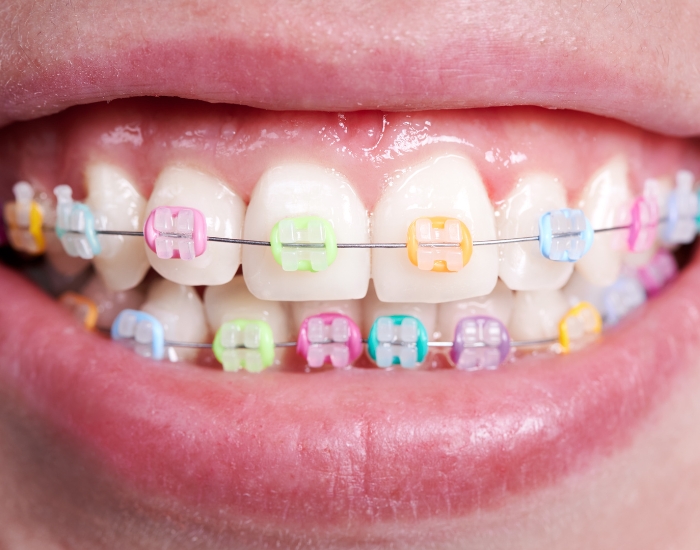
Getting braces is an exciting step toward a healthier, more confident smile—but it also comes with changes to your daily routine, especially when it comes to eating. Whether you’re newly fitted with braces or have had them for a while, knowing what foods are safe and comfortable can make all the difference in your overall experience. Hard, sticky, and crunchy foods can damage brackets and wires, slow down your treatment progress, and create discomfort.
This guide walks you through safe and enjoyable foods you can eat with braces, tips for making meals easier, and how to adjust your eating habits for the best results. It’s written in simple, easy-to-understand language, backed by practical experience and dental best practices to help you navigate every meal confidently.
Table of Contents
- Understanding Braces and Eating
- Soft Foods That Are Safe and Comfortable
- Modified Foods to Enjoy with Braces
- Foods to Avoid (and Why)
- Braces-Friendly Meal Ideas
- Tips for Eating with Braces
- Final Thoughts
1. Understanding Braces and Eating
Braces are made up of brackets, wires, and sometimes elastic bands that work together to gently move your teeth into proper alignment over time. While these components are designed to be durable, they can still be affected by the foods you eat. Hard foods may crack brackets or bend wires, while sticky foods can cling to braces and make cleaning difficult. Crunchy items can loosen or dislodge parts of the braces, and chewy foods may pull on wires or elastics, causing discomfort or damage. Adjusting your diet while wearing braces doesn’t mean giving up enjoyable meals. Instead, it involves making smarter food choices that protect your braces, reduce discomfort, and help your orthodontic treatment stay on track.
2. Soft Foods That Are Safe and Comfortable
Soft foods are some of the best choices for people with braces, especially during the first few days after getting them or following an adjustment when teeth may feel sore or sensitive. These foods require minimal chewing and place very little pressure on brackets and wires, making meals more comfortable. Options such as yogurt, pudding, soft cheeses, and cottage cheese are easy to eat and gentle on the teeth. Soft grains like oatmeal, cream of wheat, well-cooked rice, and quinoa provide energy without stressing braces. Cooked vegetables, including steamed carrots, mashed potatoes, squash, and green beans, are nutritious and easy to chew.
Protein sources such as scrambled or soft-boiled eggs, tofu, tender baked chicken, and fish are also braces-friendly. Soft fruits like bananas, melons, applesauce, and canned or soft peaches work well, along with soups and broths that do not contain crunchy ingredients. Pasta dishes, including mac and cheese or soft noodles with mild sauces, are another comfortable option. These foods help reduce pressure on brackets and wires while still providing essential nutrients needed for healing and overall oral health.
3. Modified Foods to Enjoy with Braces
Wearing braces doesn’t mean you have to completely avoid your favorite foods. Many foods can still be enjoyed with simple modifications that make them safer for braces. Crunchy vegetables such as raw carrots or celery can be chopped into small pieces or cooked until tender to make chewing easier. Hard fruits like apples and pears can be sliced thin or lightly cooked instead of eaten whole. Smoothies made with berries, bananas, and yogurt are a great alternative to whole fruits and are both nutritious and easy on braces. Bread can be lightly toasted without becoming crispy, or you can choose softer varieties like sandwich bread or wraps. Chips and crackers can be crushed into small, bite-sized pieces before eating. These texture changes make foods easier to chew, help prevent damage to braces, and allow you to continue enjoying a wide variety of meals during your orthodontic treatment.
4. Foods to Avoid (and Why)
Avoiding certain foods can protect your braces and keep your treatment on track.
Foods to Skip
Sticky & Chewy Foods
- Caramel
- Gummy candies
- Chewy granola bars
- Taffy
Hard Foods
- Nuts
- Hard candies
- Ice
- Raw carrots (unless cooked)
Crunchy Foods
- Popcorn
- Chips (unless crushed and soft)
- Hard taco shells
Sugary or Acidic Foods
- Soda
- Sour candies
- Energy drinks
Why These Are Harmful
Sticky and chewy foods can pull wires, while hard foods can break brackets. Crunchy and sugary foods increase the risk of tooth decay around braces—making cleaning harder and treatment longer.
5. Braces-Friendly Meal Ideas
Here are some meal ideas that combine nutrition, comfort, and braces safety.
Breakfast
- Soft scrambled eggs with cheese
- Oatmeal with mashed banana and a drizzle of honey
- Smoothie bowl with yogurt and soft fruits
Lunch
- Creamy tomato soup with soft bread
- Mashed avocado toast (bread soft, cut small)
- Cheese quesadilla (no crunchy edges)
Dinner
- Baked salmon with steamed squash
- Soft pasta with a mild pesto or marinara sauce
- Meatloaf with mashed potatoes
Snacks
- Yogurt with honey
- Applesauce
- Smoothies
- Soft cheese cubes
- Hummus with soft pita
These ideas are easy to chew and balanced for nutrition, helping you fuel your body while caring for your orthodontic work.
6. Tips for Eating with Braces
Adapting to braces doesn’t happen overnight—but these tips can help make eating more comfortable and safe.
Practical Eating Tips
- Cut food into small pieces before eating
-
Smaller bites reduce stress on braces and make chewing easier.
-
- Chew slowly and with your back teeth
-
Avoid biting directly with front teeth, especially on modified foods.
-
- Rinse after eating
-
Braces can trap food particles—rinsing helps remove debris.
-
- Brush after meals
-
Brush gently around brackets and wires to prevent plaque buildup.
-
- Use orthodontic wax
-
Apply wax to areas causing irritation to reduce soreness.
-
- Stay hydrated
-
Water helps clear food particles and supports oral health.
-
- Keep braces care essentials handy
-
-
Carry a travel toothbrush, interdental brush, and floss for cleaning on the go.
-
Handling Sensitivity After Adjustments
- Choose softer foods for 1–3 days after tightening.
- Use warm salt water rinses to soothe sore gums.
- Avoid very hot or very cold foods if teeth feel sensitive.
Helpful routines like these ease discomfort and improve your overall braces experience.
7. Final Thoughts
Eating with braces doesn’t mean giving up delicious food—it just means being mindful about texture, preparation, and dental safety. With the right choices and simple adjustments, you can enjoy balanced meals, stay comfortable, and protect your progress throughout your orthodontic journey. Remember that your teeth are moving and adapting, so gentle care and patience are key. Adhering to braces-friendly eating habits can help your treatment go smoothly and may even shorten the amount of time you need braces.
If you’re navigating life with braces and want personalized guidance on oral care, eating habits, or comfort tips, Smile Design MIA is here to support you. Our friendly team can answer your questions and help you make the most of your orthodontic journey.
Disclaimer: This blog is intended for educational purposes only and should not replace professional medical or dental advice. Always consult a qualified orthodontist or dental professional for personalized recommendations and care regarding braces, food choices, and oral health.