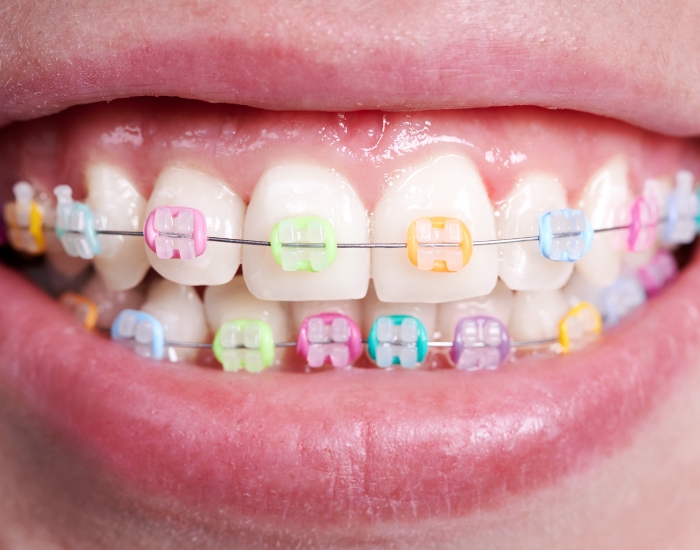
Blue and pink are two of the most popular braces colors: blue tends to look clean and bright against white teeth, while pink feels fun and works well with most skin tones; combining them or alternating shades is also common. Colored elastic ties are usually changed at each adjustment visit, so you can switch colors every few weeks. Avoid very dark or yellow shades if you want teeth to look whiter, and if you prefer a nearly invisible option, clear aligners such as Invisalign avoid brackets altogether.
Choosing braces colors is one of the most exciting parts of orthodontic treatment, especially for kids, teens, and even adults who want to express their personality. Among the most popular choices, blue and pink often stand out for their versatility, vibrancy, and style. Whether you’re picking your first set of braces or planning a color combination for a new adjustment, understanding the options and their impact can help you make a fun, informed choice.
This blog explores why blue and pink braces are so popular, how different shades look on teeth, tips for pairing colors, and considerations for maintaining your colorful smile. By the end, you’ll feel confident selecting braces colors that reflect your personality while keeping your smile healthy.
Table of Contents
- Why Braces Colors Matter
- The Popularity of Blue Braces
- The Appeal of Pink Braces
- Combining Blue and Pink Braces
- Tips for Choosing the Right Shade
- Maintaining Bright and Healthy Braces Colors
- Fun Alternatives and Seasonal Options
- Final Thoughts
1. Why Braces Colors Matter
Braces colors do more than add style—they provide a way to express personality, celebrate special events, or coordinate with school or sports teams. Bright and bold colors can make orthodontic treatment feel fun and exciting, while more subtle shades can appear professional or understated. In addition, the right color can affect how your teeth appear. Lighter shades like pink can brighten your smile, while darker colors like navy blue may contrast with teeth and highlight their whiteness. Choosing colors carefully helps you feel confident each time you smile, talk, or take photos.
2. The Popularity of Blue Braces
Blue braces are a favorite among many orthodontic patients. The color comes in a wide range of shades, from light sky blue to deep navy, making it easy to match your style or mood. Lighter blues offer a soft, calming appearance, while darker blues create a bold and noticeable look. Blue also pairs well with school or sports team colors, making it a popular choice for students. Additionally, blue is versatile and works with almost every skin tone. For those who enjoy a classic yet fun style, blue braces provide a balance between playful and elegant.
3. The Appeal of Pink Braces
Pink braces, on the other hand, are often chosen for their bright and cheerful vibe. From soft pastel pinks to vivid hot pinks, the color can create a warm, friendly, and energetic appearance. Pink shades can also complement certain makeup or accessories, making them especially popular among teens and young adults. Some patients choose pink braces to celebrate special events such as Breast Cancer Awareness Month, holidays, or birthdays. The color adds personality to orthodontic treatment while remaining playful and eye-catching.
Ask Smile Design Mia about Invisalign — from ,000 for express cases, with 0% financing options.
4. Combining Blue and Pink Braces
Many patients enjoy combining blue and pink for a creative and personalized look. Alternating colors on different brackets, or pairing them in patterns, allows you to express individuality while keeping your braces stylish. For example, a fun combination could be light blue on the top teeth and pastel pink on the bottom, creating a harmonious and visually appealing effect. When combining colors, consider balance and contrast. Dark blue and hot pink provide high contrast and stand out in photos, while softer shades of both colors offer a subtle, coordinated look. Your orthodontist can help you experiment with combinations and choose a pattern that suits your personality and lifestyle.
5. Tips for Choosing the Right Shade
- Choosing braces colors requires a little planning. First, consider your natural tooth color—lighter shades like soft pink or baby blue can brighten teeth, while darker shades like navy or royal blue can make teeth appear whiter.
- Next, think about your wardrobe and personal style. If you wear bright, colorful clothes, bold colors may match your style. If you prefer a more subtle look, pastel or muted shades may be better.
- Additionally, consider lifestyle and activities. Some colors may stain more easily, while others blend well with everyday wear. Always ask your orthodontist for recommendations, as they can help you select colors that maintain both style and dental health.
6. Maintaining Bright and Healthy Braces Colors
Once you choose your blue or pink braces, proper care ensures they stay vibrant throughout treatment. Always brush after meals, floss carefully, and avoid foods that can stain the elastics, such as coffee, curry, or tomato sauce. Orthodontists recommend replacing elastics during each adjustment appointment, which keeps your colors bright and allows you to change them as often as you like. Maintaining good oral hygiene not only keeps your braces looking great but also supports healthy teeth and gums.
7. Fun Alternatives and Seasonal Options
In addition to classic blue and pink, many orthodontic patients enjoy seasonal or themed braces colors. For example, red and green around the holidays, or pastel combinations during spring, allow you to celebrate occasions while still maintaining a healthy smile. Some patients even mix more than two colors, creating patterns such as stripes, rainbow combinations, or alternating brackets. These fun choices make orthodontic treatment feel personalized and enjoyable.
8. Final Thoughts
Blue and pink braces remain popular because they offer both style and versatility. Whether you choose a single shade or a creative combination, colors give patients the opportunity to express personality and make orthodontic treatment more enjoyable.
When selecting colors, consider your tooth color, personal style, lifestyle, and maintenance requirements. With careful planning and proper oral care, your braces can look fun and fashionable while supporting a healthy, aligned smile.
If you’re ready to pick your braces colors or want guidance on combinations like blue and pink, the team at Smile Design Mia can help. Our dental professionals offer personalized advice and care to ensure your orthodontic treatment is both effective and stylish.
Disclaimer: This blog provides educational information only and does not replace professional dental advice. Always consult a qualified dentist or orthodontist for personalized recommendations regarding braces, colors, and oral health.
Key facts at a glance
| Topic | At Smile Design Mia |
|---|---|
| Most popular shades | Blue, pink, purple, combinations |
| Makes teeth look whiter | Darker blues, purple, silver |
| Can make teeth look yellow | White, clear (may stain), yellow, some greens |
| How often colors change | Typically at each adjustment visit |
| Invisalign at Smile Design Mia | $2,000–$7,500 · most cases 6–18 months · new aligner every 1–2 weeks |
How do braces colors affect how white your teeth look?
Color contrast changes how your teeth read in photos. Deeper shades such as navy, royal blue or purple make teeth look whiter by comparison, while white or clear ties can look discolored after a few weeks of coffee, tea or curry, and yellow can emphasize any natural yellow tones.
Pink and light blue look bright and cheerful but show staining more than darker shades. If you have an event coming up, choose a deeper shade for that adjustment cycle and keep up with brushing after meals so plaque does not dull the brackets.
- Blue and pink are among the most popular braces colors.
- Darker shades make teeth look whiter; white and clear ties can stain.
- Colors usually change at each adjustment visit.
- Good brushing keeps colors and teeth bright.
- Clear aligners are an alternative for a nearly invisible look.
Frequently asked questions
What braces color makes teeth look whiter?
Darker shades such as navy, royal blue and purple create contrast that makes teeth look whiter.
Can I combine blue and pink braces colors?
Yes. Alternating blue and pink ties or choosing different colors for the top and bottom is a popular option.
How often can I change my braces colors?
Colored elastics are usually replaced at each adjustment visit, so you can choose new colors every few weeks.
Do clear braces bands stain?
Clear and white ties can pick up stains from coffee, tea and some foods, so many patients prefer darker shades.
Is there an alternative to colored braces?
Clear aligners such as Invisalign straighten teeth without brackets; at Smile Design Mia, Invisalign costs $2,000–$7,500 depending on complexity.
Do braces colors affect treatment?
No. The colored ties are cosmetic and do not change how your teeth move.
Your next step
Book a consultation at Smile Design Mia, 3850 Bird Rd, Suite 301, Miami, FL 33146. You will leave with a clear plan and a clear price, and financing is available.
See also: Invisalign Cost Miami · Contact
Sources and further reading
Related articles
 Foods You Can’t Eat with Braces: What to Avoid and Why
 What Can You Eat with Braces (Foods You Can Enjoy & Tips for Comfort)
 Smile Design Aftercare: How to Keep Your Perfect Smile Bright
This article is for general education and is not a substitute for professional dental or medical advice, diagnosis or treatment. Prices and timelines are typical ranges at Smile Design Mia and are confirmed at your consultation. If you have severe pain, swelling, bleeding or a dental injury, seek urgent care.