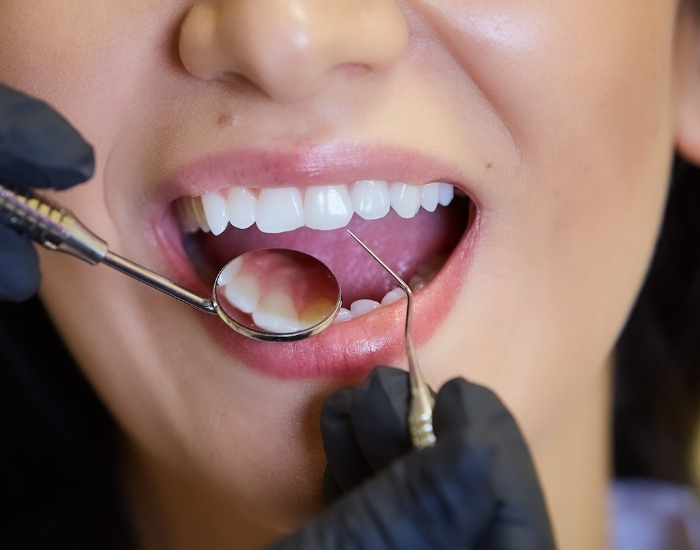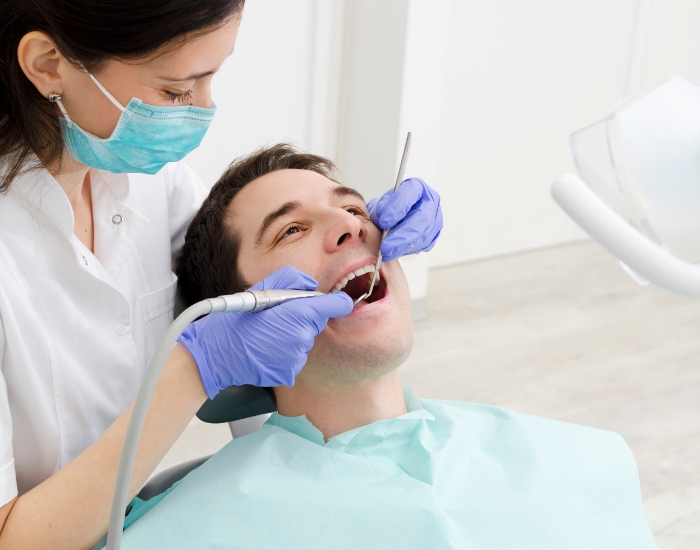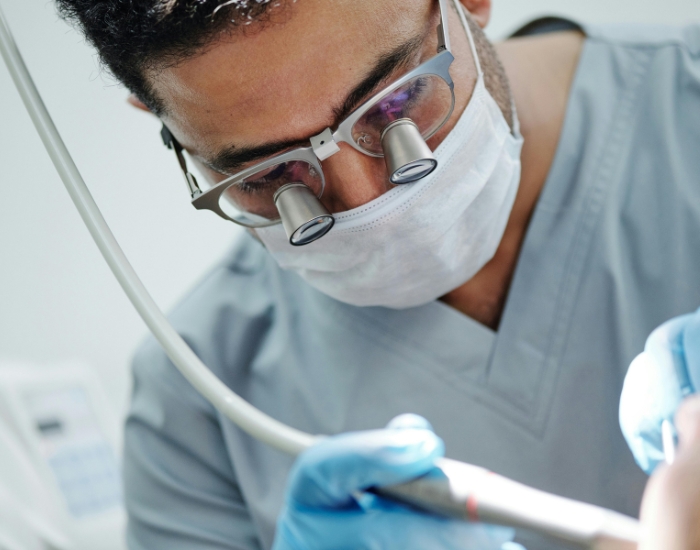

Full mouth dental implants provide a life-changing solution for patients who have lost most or all of their teeth. Unlike dentures or partial implants, full mouth dental implants replace an entire arch of teeth, restoring function, appearance, and confidence.
Many patients wonder about the procedure, cost, and recovery process. Understanding the details of full mouth dental implants can help you make informed decisions and prepare for a successful outcome. This blog explains the procedure, benefits, types, and care tips to help you achieve a healthy, lasting smile.
Table of Contents
- What Are Full Mouth Dental Implants?
- Who Is a Candidate for Full Mouth Implants?
- Types of Full Mouth Dental Implants
- The Full Mouth Implant Procedure
- Recovery and Healing Process
- Benefits of Full Mouth Dental Implants
- Risks and Considerations
- Caring for Full Mouth Implants
- Final Thoughts
1. What Are Full Mouth Dental Implants?
Full mouth dental implants replace all teeth in the upper, lower, or both arches. They consist of dental implants surgically placed into the jawbone, which act as artificial tooth roots. Crowns, bridges, or dentures are then attached to these implants, restoring the natural appearance and function of teeth. Unlike traditional dentures, implants remain fixed in the mouth, eliminating slipping or discomfort. They also stimulate the jawbone, preventing bone loss and maintaining facial structure.
2. Who Is a Candidate for Full Mouth Implants?
Full mouth dental implants suit patients who have lost most or all of their teeth due to decay, injury, or gum disease. Candidates should have a strong jawbone or enough bone density to support the implants—or be willing to undergo bone grafting if necessary. Good overall health is also essential to ensure the body can handle surgery and heal properly. Additionally, patients must commit to maintaining excellent oral hygiene and attending regular dental check-ups to protect their new implants.
To determine if full mouth implants are appropriate, your dentist conducts a thorough evaluation. This includes X-rays or 3D scans to assess bone structure and oral health. The dentist may also identify the need for additional procedures, such as bone grafts or sinus lifts, to ensure the implants provide a stable and lasting foundation.
3. Types of Full Mouth Dental Implants
Full mouth dental implants can be placed using several approaches:
Traditional Implants
These involve placing individual implants for each missing tooth. While effective, this method can be costly and time-consuming for full-arch restoration.
All-on-4® Implants
All-on-4® implants use four strategically placed implants to support an entire arch of teeth. This approach is less invasive, requires fewer implants, and can often be completed in a shorter time frame.
All-on-6 or Custom Options
Some patients benefit from six implants per arch or customized plans based on bone structure and functional needs. Your dentist will recommend the best option for your mouth.
4. The Full Mouth Implant Procedure
The procedure usually occurs in several stages:
- Consultation and Planning: Your dentist evaluates oral health, takes scans, and develops a detailed treatment plan.
- Preparation: Damaged teeth may be extracted, and bone grafts or sinus lifts may be performed if necessary.
- Implant Placement: Titanium implants are surgically inserted into the jawbone under anesthesia.
- Healing and Osseointegration: Over several months, the implants fuse with the bone to form a strong foundation. Temporary teeth may be provided during this period.
- Final Restoration: Crowns, bridges, or implant-supported dentures are attached to the implants, completing the full mouth restoration.
5. Recovery and Healing Process
Recovery after full mouth implants varies depending on the complexity of the procedure. Patients often experience minor swelling, bruising, or discomfort during the first few days. Dentists typically recommend soft foods, pain management, and avoiding strenuous activity for a few weeks. Osseointegration, the process of implants fusing with the jawbone, usually takes 3–6 months. Regular follow-ups ensure proper healing and alignment of the final restorations.
6. Benefits of Full Mouth Dental Implants
Full mouth dental implants offer multiple advantages:
- Improved Function: Chew and speak naturally, similar to natural teeth.
- Enhanced Appearance: Restore a natural, confident smile.
- Bone Preservation: Prevent bone loss that occurs with missing teeth.
- Stability: Implants remain fixed in the mouth, eliminating slipping or discomfort.
- Long-Term Solution: With proper care, implants can last decades or even a lifetime.
These benefits make full mouth implants a preferred solution for patients seeking permanent tooth replacement.
7. Risks and Considerations
While full mouth dental implants are generally safe, potential risks include infection, implant failure, or nerve injury. Smoking, uncontrolled diabetes, or poor oral hygiene can increase these risks. Before undergoing treatment, patients should discuss health conditions, medications, and lifestyle factors with their dentist to ensure optimal results and minimize complications.
8. Caring for Full Mouth Implants
Caring for full mouth dental implants is similar to maintaining natural teeth, but it requires consistent attention to protect your investment. Start by brushing twice daily with a soft-bristled toothbrush to remove plaque and prevent buildup around the implants. Additionally, floss carefully around each implant to clean areas where food particles can accumulate. If your dentist recommends an antimicrobial mouth rinse, use it to reduce bacteria and support gum health. Regular dental check-ups and professional cleanings are essential for monitoring your implants and addressing any potential issues early. Finally, avoid hard or sticky foods that could damage the restorations or place unnecessary stress on the implants. By following these steps consistently, you can extend the life of your implants while keeping your mouth healthy and your smile beautiful.
9. Final Thoughts
Full mouth dental implants provide a durable, functional, and aesthetically pleasing solution for individuals with extensive tooth loss. By restoring teeth fully, implants enhance quality of life, confidence, and oral health.
While the procedure requires careful planning and a commitment to oral care, the long-term benefits make it a worthwhile investment. Consulting with a qualified dental professional ensures that you receive a personalized treatment plan for the best results.
If you are considering full mouth dental implants or want to learn more about your options, the team at Smile Design Mia can guide you. Our dental experts provide comprehensive consultations, advanced implant procedures, and personalized care to help you achieve a healthy, confident smile.
Disclaimer: This blog provides educational information only and does not replace professional dental advice. Always consult a qualified dentist or oral surgeon for personalized recommendations regarding full mouth dental implants.