Braces are commonly used to straighten teeth and support long-term oral health. However, they require extra care, especially when it comes to food choices. Certain foods can place stress on brackets, bend wires, or become trapped in areas that are difficult to clean. As a result, these foods can increase discomfort, cause treatment delays, and raise the risk of tooth decay. Because of this, understanding which foods to avoid while wearing braces is just as important as knowing which foods are safe to eat.
In this blog, we explain which foods you should not eat with braces and why they cause problems. Additionally, we discuss how avoiding these foods helps protect your orthodontic treatment and supports better oral health. With clear guidance and practical tips, you can make smarter, braces-friendly food choices every day.
Table of Contents
- Why Certain Foods Are Harmful for Braces
- Hard Foods You Should Avoid
- Sticky and Chewy Foods to Stay Away From
- Crunchy Foods That Can Damage Braces
- Sugary and Acidic Foods to Limit
- Habits That Can Be Just as Harmful as Food
- Final Thoughts
1. Why Certain Foods Are Harmful for Braces
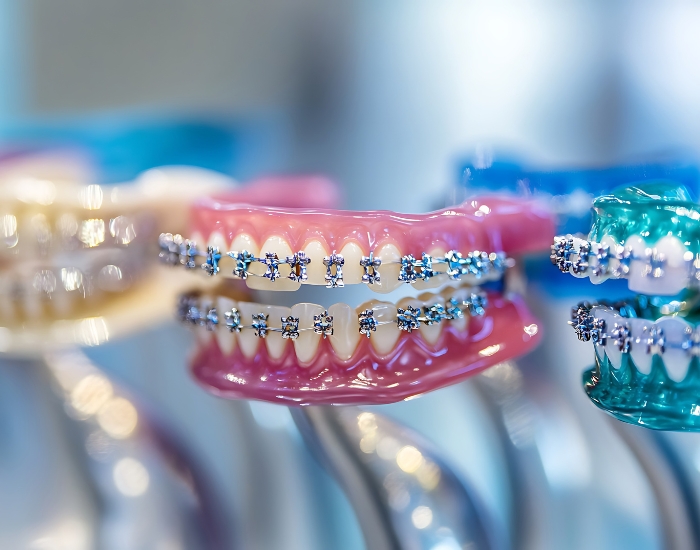
Braces consist of brackets bonded to the teeth, connected by wires and sometimes elastic bands. These components work together to gradually shift teeth into proper alignment. While braces are designed to handle everyday use, they are not indestructible. Certain foods place excessive pressure on brackets and wires or create buildup around them, which can lead to damage or oral health issues.
Hard foods can crack brackets or bend wires, while sticky and chewy foods can pull at braces or become trapped, making cleaning difficult. Crunchy foods may loosen brackets, and sugary or acidic foods can increase the risk of cavities around braces. Avoiding these foods helps prevent unexpected repairs, reduces discomfort, and keeps your treatment progressing as planned.
2. Hard Foods You Should Avoid
First and foremost, hard foods are one of the most common reasons braces break or shift out of place. When you bite into something firm, the pressure can crack brackets or bend wires, which may interrupt your treatment. Foods such as nuts, hard candies, ice, popcorn kernels, and crusty bread often cause these issues. In addition, raw vegetables like carrots or broccoli stems and whole apples can also damage braces if you bite into them directly. These foods require strong biting force, and braces simply are not built to handle that kind of pressure. Instead, you can make many hard foods safer by preparing them differently, such as cooking vegetables until they soften or slicing fruits into small, manageable pieces. Most importantly, you should completely avoid extremely hard items like ice and hard candy throughout your orthodontic treatment to prevent unnecessary damage.
3. Sticky and Chewy Foods to Stay Away From
- Sticky and chewy foods are especially risky for braces because they can pull on wires and brackets or get lodged between components. Once stuck, these foods are difficult to remove and may lead to plaque buildup or gum irritation.
- Foods such as caramel, toffee, gummy candies, chewing gum, fruit snacks, and chewy granola bars should be avoided. Even foods that seem harmless, like sticky peanut butter or soft candy, can cling to braces and create cleaning challenges.
- When sticky foods remain trapped around brackets, they increase the risk of cavities and bad breath. Choosing non-sticky alternatives helps maintain better oral hygiene and reduces the likelihood of braces-related issues.
4. Crunchy Foods That Can Damage Braces
Although crunchy foods may not feel as hard, they can still damage braces by placing sudden pressure on brackets and wires. When you bite down on these foods, the force can loosen brackets or bend wires, which may cause discomfort and require extra orthodontic visits. Chips, pretzels, crackers, taco shells, and popcorn frequently cause these problems. Popcorn, in particular, poses a higher risk because unpopped kernels can break brackets, while the hulls often get stuck under wires and irritate the gums. If you occasionally choose to eat crunchy foods, you should crush them into small pieces and chew carefully using your back teeth. Even so, limiting these foods as much as possible remains the safest option during braces treatment.
5. Sugary and Acidic Foods to Limit
Finally, sugary and acidic foods may not break braces directly, but they can seriously harm your teeth during orthodontic treatment. Because braces create more areas where food gets trapped, sugar and acids can easily build up around brackets and wires. As a result, the risk of cavities, enamel erosion, and white spots on teeth increases. Drinks and foods such as soda, sports drinks, energy drinks, sour candies, sugary desserts, and sweetened juices should be limited.
In addition, frequent snacking on sugary items makes plaque harder to remove, especially around braces. When you do consume sugary or acidic foods, rinsing your mouth with water and brushing your teeth as soon as possible helps reduce damage. Overall, maintaining consistent oral hygiene is essential for protecting your teeth throughout orthodontic treatment.
6. Habits That Can Be Just as Harmful as Food
- In addition to avoiding certain foods, some habits can also damage braces. Chewing on non-food items places unnecessary stress on brackets and wires.
- Common habits to avoid include chewing ice, biting fingernails, chewing on pens or pencils, and using teeth to open packaging. These habits can loosen brackets, bend wires, and prolong treatment time.
- Being mindful of these behaviors helps protect your braces and keeps your orthodontic treatment running smoothly.
7. Final Thoughts
Avoiding certain foods while wearing braces may feel restrictive at first, but these precautions play an important role in protecting your smile. Hard, sticky, crunchy, sugary, and acidic foods can damage braces, increase discomfort, and raise the risk of cavities or treatment delays. By understanding which foods to avoid and developing braces-friendly eating habits, you can reduce the chances of broken brackets, maintain better oral health, and stay on track with your orthodontic plan. Small changes in your diet and daily habits can make a big difference in the success of your treatment.
If you have questions about caring for your braces or need personalized guidance on braces-friendly eating, the team at Smile Design Mia is here to help. Our experienced dental professionals are committed to supporting your orthodontic journey and helping you achieve a healthy, confident smile.
Disclaimer: This content is for informational purposes only and is not a substitute for professional dental or orthodontic advice. Always consult a qualified dental professional for personalized recommendations regarding braces care, diet, and oral health.